iOS 26: Tracing Apple's 'Biggest Update' from iOS 19
iOS 26: Tracing Apple's 'Biggest Update' from iOS 19
Apple's annual iOS updates tend to generate significant buzz among tech enthusiasts and everyday users. The anticipation often centers on new features, interface changes, and device compatibility, with many users still referencing the speculated 'iOS 19' when discussing its origins. This year, the conversation has also included a notable point of confusion: the journey from what some internally referred to as 'iOS 19' to the officially released iOS 26.
By examining the evolution of Apple's mobile operating system, we can better understand the company's current approach. The internal code names and early development stages rarely align perfectly with the public-facing product. This disparity helps contextualize Apple's current mobile operating system, a journey that started long before the public launch of iOS 26, tracing back to earlier concepts like 'iOS 19'. Here, we'll examine iOS 26, looking at its core changes and assessing its impact, particularly in light of those earlier prototypes.
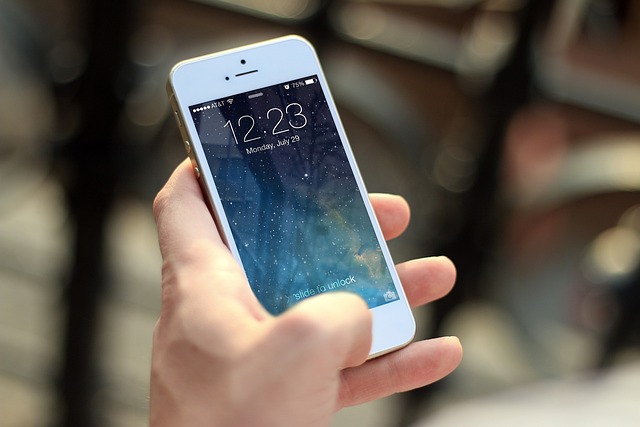
Source: Pixabay (CC0)
The iOS Naming Shift and Liquid Glass Interface
The jump in numbering from a presumed iOS 19 to the current iOS 26 might have initially seemed unusual to those tracking Apple's development cycle. Public discussions and leaked prototypes from 2026 indicated that an early version, internally or informally known as 'iOS 19,' was in development. However, this prototype predated the adoption of a significant visual overhaul, as reported by bgr.com and AppleInsider, referencing a 'pre-Liquid Glass' version.
The official designation of iOS 26, as clarified by 9to5Mac, indicates a strategic decision to rename the release, likely reflecting the substantial changes integrated over time. One of the most prominent changes is the "Liquid Glass" interface, which brings a more dynamic and fluid visual experience across the operating system, with elements that adapt and flow more organically on screen. (See also: iPhone 17 Pro in 2026: An Analytical Review.)
This divergence between internal code names like 'iOS 19' and the eventual public release version is a common practice in software development. Companies often use internal monikers for projects or prototypes that may evolve significantly, be merged with other efforts, or simply be part of a multi-year development cycle. The ultimate public name, iOS 26 in this instance, typically reflects the finalized feature set and the official branding strategy, a departure from early assumptions surrounding 'iOS 19'.
The "Liquid Glass" aesthetic extends beyond basic visual fluidity, impacting how users interact with core elements. It introduces adaptive transparency, dynamic icon resizing based on context, and enhanced haptic feedback tied to on-screen movements. This design philosophy aims to create a more tactile and intuitive experience, blurring the lines between the digital interface and the physical device, and setting a new visual standard for Apple's mobile operating system, a significant evolution from early 'iOS 19' concepts.
Core Capabilities and System Enhancements in iOS 26
iOS 26 builds upon the stability of its predecessors, introducing a range of new capabilities. Beyond the visual refresh, the operating system integrates more sophisticated on-device machine learning, enhancing native applications and making interactions feel more intuitive. This is particularly noticeable in areas like photo organization and predictive text. This leap forward represents years of development, refining concepts first explored in early builds like 'iOS 19'.
Privacy and security features see continuous refinement with each major iOS iteration. iOS 26 likely includes updates to data encryption, app permissions, and biometric authentication systems, reinforcing user control over personal information. These enhancements are built upon a robust foundation, elements of which were present even in the early 'iOS 19' designs.
System-level optimizations for battery life and overall performance are also part of these annual updates, aiming to extend the usability of compatible hardware. Such optimizations are crucial for ensuring the smooth operation of new features and maintaining user satisfaction across various device generations.
The OS improves interoperability within the Apple ecosystem, enhancing the experience across iPhones, iPads, and other devices. This includes more smoother handoff features, improved AirPlay capabilities, or enhanced synchronization of data and settings, further integrating the experience for users of multiple Apple products. This cohesive approach has been a consistent goal throughout the development of iOS, including during the 'iOS 19' prototyping phase.
With more advanced processors becoming standard in newer iPhones, iOS 26 is designed to use this hardware for more intensive tasks, such as real-time video processing or complex augmented reality applications. However, Apple typically ensures that basic functionality remains highly optimized for a wider range of compatible devices, maintaining a balance between cutting-edge features and broad accessibility.
Real-World Impact for iPhone Users
For the average iPhone user, iOS 26 means a more refined and potentially personalized computing experience. The "Liquid Glass" interface translates to smoother animations, more engaging visual feedback, and a modern aesthetic. Common tasks may feel slightly faster due to performance optimizations, particularly on newer devices, making daily interactions more fluid and enjoyable.
Device compatibility is crucial for adoption, and Daytona Beach News-Journal outlined which iPhones are expected to support the update. Typically, Apple aims to support devices for several years, but older models may not receive all the advanced features due to hardware limitations, a common evolutionary path since the days following 'iOS 19'.
Beyond the visual appeal, the deeper integration of machine learning within iOS 26 brings practical advantages. Users will find photography enhancements that offer more nuanced editing suggestions, smarter Siri interactions that understand context more effectively, and predictive keyboard inputs that are increasingly accurate. These subtle yet powerful improvements contribute to a more efficient and personalized daily digital interaction, building on the foundations established in previous versions, including the underlying principles that guided early designs like 'iOS 19'.
And, Apple typically dedicates considerable effort to optimizing system performance and battery longevity with each major update. While initial releases often focus on new features, subsequent point updates fine-tune resource management. Users of iOS 26 can generally expect their devices to maintain good responsiveness and battery performance throughout the day, ensuring a consistent experience even as more demanding applications are introduced to the ecosystem. This commitment to long-term stability is a hallmark of Apple's software development.
The "Liquid Glass" interface also opens new avenues for personalization, allowing users greater control over the visual presentation of their device. This includes more dynamic wallpapers that respond to touch, customizable widget layouts that seamlessly blend with the background, and expanded options for system themes. These features empower users to tailor their iPhone experience more closely to their individual preferences.
Accessibility improvements remain a core focus for Apple, and iOS 26 continues this tradition. Expect new features designed to assist users with various needs, whether related to vision, hearing, mobility, or cognitive function. These advancements ensure that the refined and powerful capabilities of iOS 26 are available to the broadest possible audience, underscoring Apple's inclusive design philosophy.
Frequently Asked Questions
Q: What is the "Liquid Glass" interface in iOS 26?
A: The "Liquid Glass" interface is a significant visual overhaul in iOS 26, introducing a more dynamic and fluid aesthetic. It generally means smoother animations, adaptive transparency, and elements that flow organically, aiming for a more immersive and tactile user experience across the operating system.
Q: Which iPhone models are compatible with iOS 26?
A: While Apple typically supports devices for several years, specific compatibility information is usually released closer to the public launch. Newer iPhone models are generally guaranteed full support, while older models might receive the update but with some advanced features unavailable due to hardware limitations.
Q: How does iOS 26 improve privacy and security?
A: iOS 26 continues Apple's commitment to user privacy and security through iterative refinements. These updates generally include enhancements to data encryption, more granular app permissions, and improved biometric authentication systems, giving users greater control over their personal information and device access.
Q: What was the "iOS 19" prototype, and how does it relate to iOS 26?
A: "iOS 19" was an informal or internal code name for an early prototype of Apple's mobile operating system, reportedly in development around 2026. This initial version predated the "Liquid Glass" overhaul. The eventual public release, iOS 26, represents the culmination of that development, incorporating significant changes and a different naming strategy from those early 'iOS 19' concepts.
Q: Are there any major performance changes in iOS 26?
A: iOS 26 generally includes system-level optimizations designed to enhance overall performance and battery efficiency. While revolutionary speed increases are rare in annual updates, users can typically expect smoother multitasking, faster app launches, and an overall more responsive experience, particularly on newer, compatible hardware.


댓글
댓글 쓰기